
Smart Riga Unveils New Smart Street Lights in Collaboration with TET
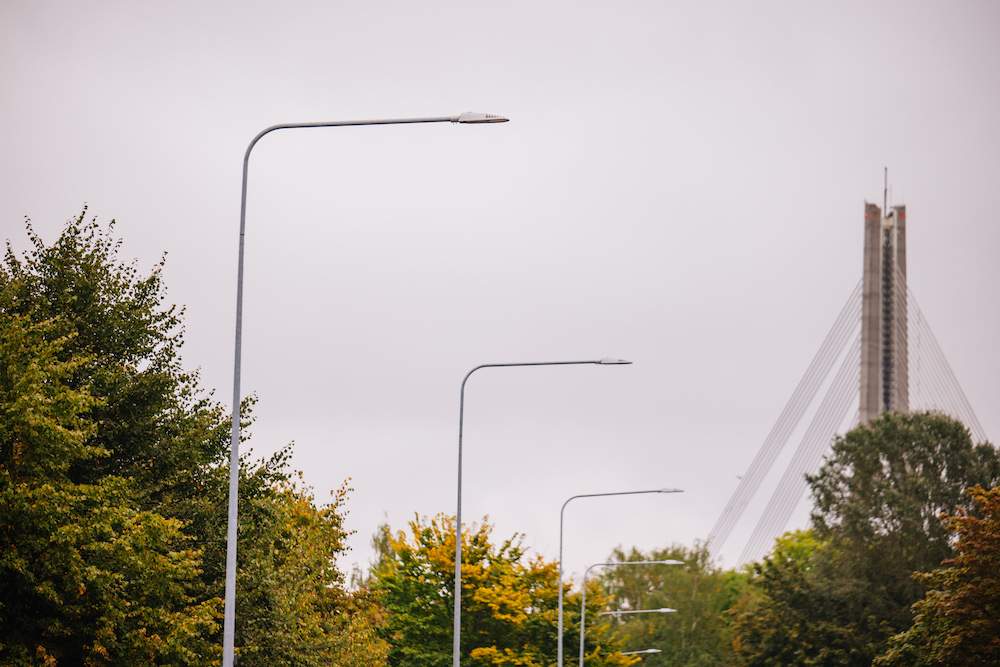
*RIGA* — The city of Riga, known for its commitment to incorporating modern technological solutions into its urban infrastructure, has announced a pioneering collaboration with TET, a leading telecommunications and technology service provider. The partnership aims to transform the cityscape with the installation of smart street lights that are designed to improve energy efficiency, enhance public safety, and offer a host of other innovative features.
The new smart street lights are set to replace thousands of traditional luminaires in Riga over the next two years, reflecting the city’s dedication to sustainable urban development and its push towards becoming a recognized smart city in Europe. These new fixtures will not only provide essential illumination but will also serve multiple functions that are expected to revolutionize the way residents experience nighttime in Riga.
Key features of these smart street lights include:
1. **Energy Efficiency:** The LED technology employed ensures a significant reduction in power consumption compared to conventional street lights. This initiative is expected to reduce the city’s energy costs by up to 60%, aligning with Riga’s commitment to environmental sustainability and reduced carbon footprints.
2. **Adaptive Lighting:** Sensors embedded within the lights will detect human and vehicular movement, adjusting the intensity of the light accordingly. This feature not only conserves energy but also ensures that areas remain well-lit when needed, promoting safety.
3. **Integrated Communication Hub:** The lights will also serve as communication hubs. In partnership with TET, they will be equipped with Wi-Fi capabilities, turning various spots around the city into connectivity hotspots. This initiative will further bridge the digital divide, offering residents and tourists seamless internet connectivity.
4. **Data Collection and Analysis:** With inbuilt sensors, the smart lights can gather data about traffic patterns, weather conditions, and more. This data, when analyzed, will offer insights into improving urban planning and traffic management.
5. **Emergency Response Integration:** In the case of emergencies, the lights can be manipulated to flash or change colors, guiding first responders or indicating areas of concern. This function is expected to bolster public safety efforts and improve emergency response times.
Ivars Brikmanis, the city’s Mayor, expressed his enthusiasm about the collaboration: “Working with TET, a homegrown innovation leader, we are redefining the role of street lights in urban landscapes. Our aim is not just to illuminate Riga, but to make it smarter, safer, and more connected.”
On the other hand, Līga Rozenberga, CEO of TET, highlighted the company’s commitment to enhancing the urban experience in Riga. “This project is a testament to TET’s commitment to leveraging technology for public benefit. Together with the city of Riga, we are setting a benchmark for what modern cities can achieve with smart technology.”
As the pilot phase rolls out, both parties have assured residents that the transition will be smooth. Initial feedback from areas where the lights have been installed has been overwhelmingly positive, with residents appreciating the adaptive lighting feature and the enhanced connectivity.
In the broader context of global urban development, this partnership is a testament to how cities can harness technology to improve the quality of life for their residents. As Riga continues on its journey to becoming a beacon of smart urban development in Europe, other cities are sure to take note and follow suit.
